Unleashing Street Art Energy with the Sward of Demon Typeface
The Raw Aesthetic of Graffiti in a Digital Package
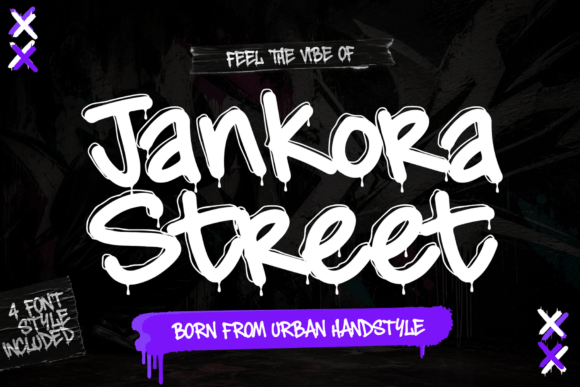
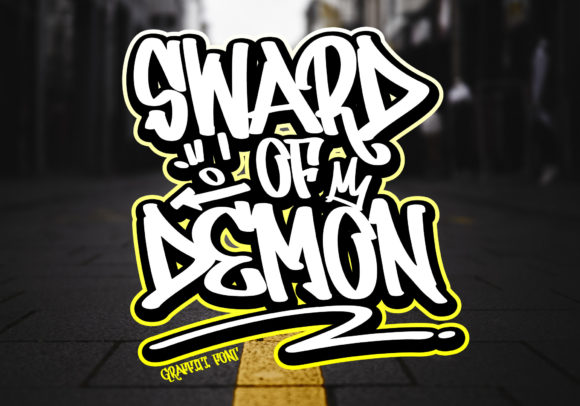
In the world of modern typography, finding a font that genuinely captures the rebellious energy of street art without looking cartoonish is a rare find. Sward of Demon is exactly that—a premium font that bridges the gap between raw urban expression and professional design utility. It isn't just another collection of letters; it is a visual statement. The defining characteristic of this typeface is its "demon claw" texture. The strokes aren't smooth or mathematically perfect; they are jagged, aggressive, and textured, mimicking the look of a thick marker dragged across concrete or the rough edges of a wheat-paste poster.
For designers, entrepreneurs, and content creators, the appeal of Sward of Demon lies in its ability to instantly inject attitude into a project. Unlike a standard sans serif font or a polite serif font, this display font demands attention. It carries a distinct personality that suggests edginess, durability, and an underground aesthetic. If you are building a brand that needs to stand out in a saturated market, specifically one targeting a younger, more culturally aware demographic, this typeface offers a shortcut to that visual language. It captures the essence of the street without the legal risks of actual vandalism.
Strategic Applications: Where Sward of Demon Fits Best
Understanding where to deploy a creative font like Sward of Demon is crucial for maintaining professionalism. Because it is a display font, it is not designed for body text. You wouldn't use it for a blog post or a legal disclaimer. However, it excels in high-impact areas where visual hierarchy is defined by contrast and size.
Branding and Logo Design
When it comes to logo design, this typeface is a powerhouse for specific industries. Think streetwear labels, independent record labels, skate shops, extreme sports gear, or even urban photography studios. Using Sward of Demon for a logo mark creates an immediate association with counterculture and authenticity. It works particularly well when paired with a clean, geometric sans serif font for the subtext, creating a balanced hierarchy that feels both professional and rebellious.
Merchandise and Product Packaging
The tactile, textured nature of the font translates beautifully to physical products. It is an ideal choice for packaging design that needs to pop on a shelf or a screen. For t-shirts and clothing, the font's aggressive style mimics the look of vintage band tees or limited-edition drops. It holds up well on screen printing and embroidery because the jagged edges add character even when the resolution changes. If you are selling merchandise, this font can help you avoid the "generic" look that plagues many print-on-demand stores.
Digital and Editorial Use
In web design and social media graphics, attention spans are short. Sward of Demon is perfect for headers, hero images, and "Shop Now" buttons where you need to grab the user's eye immediately. In editorial design, such as magazine covers or music posters, it serves as a striking headline font that sets the mood for the entire layout. It pairs exceptionally well with gritty, high-contrast photography or minimalist backgrounds where the typography is the hero.
Technical Considerations and Readability
While the visual appeal of Sward of Demon is undeniable, applying it requires a strategic approach to readability. As a graffiti-styled display font, legibility decreases as the text size gets smaller. The jagged edges that look amazing at 100px can turn into a muddy mess at 12px. Therefore, it should strictly be reserved for headlines, titles, and large call-to-action text.
When evaluating the font pairing for your project, contrast is your best friend. Because Sward of Demon is so loud and expressive, it needs a quiet partner. Avoid pairing it with other expressive styles like a script font or a handwritten font, as this will create visual chaos. Instead, look to classic sans serifs (like Helvetica, Roboto, or Open Sans) or even a modern serif with high legibility. The clean lines of these fonts will ground the design, allowing the Sward of Demon to be the focal point without overwhelming the viewer.
Practical Guidance for Implementation
Before integrating Sward of Demon into your workflow, there are a few practical steps to ensure a smooth creative process.
- Check the License: Since this is a commercial font, you must verify the licensing terms. Ensure your purchase covers your specific usage—whether that is for a single client project, a run of merchandise, or a digital asset. Respecting licensing protects you legally and supports the type designers who create these design assets.
- Review the Character Map: Explore the full range of glyphs included. High-quality fonts often come with stylistic alternates, ligatures, or dingbats that can add unique flair to your brand identity.
- Test on Mockups: Don't just look at the font in a word processor. Place it on mockups relevant to your industry—put it on a hoodie, a business card, or a website header. This helps you visualize how the texture interacts with real-world materials and colors.
- Color and Texture Interaction: Sward of Demon looks distinct depending on the background. On a solid, bright color, it pops. On a busy photo, it might get lost. Experiment with adding a subtle drop shadow or a bounding box to ensure the text remains the star of the show.
Elevating Your Project with the Right Attitude
Choosing a typeface is rarely just about legibility; it is about voice. Sward of Demon speaks a language of boldness and creative freedom. For the entrepreneur launching a streetwear brand, or the designer creating a poster for an underground event, this font provides the necessary visual shorthand. It tells your audience that you understand the culture and you aren't afraid to be different.
Ultimately, Sward of Demon is more than just a tool for laying out text; it is a design asset that influences the emotional response of your audience. By using it strategically within your headers and logos, you can transform a flat design into something dynamic and memorable. It proves that with the right modern typography