Minimalist Farmhouse: A Font for Modern Rustic Branding
Understanding the Dual Personality of a Premium Font
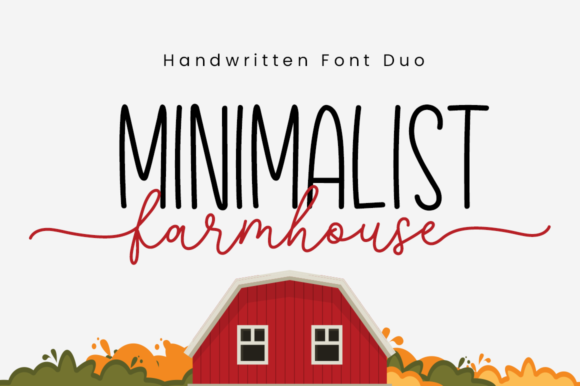
In the landscape of modern typography, finding a typeface that balances raw personality with professional polish is rare. Most designers have to choose between the warmth of a handwritten font and the legibility of a sans serif font. However, the Minimalist Farmhouse premium font changes that dynamic by offering both in a cohesive package. It is not just a single typeface; it is a curated duo designed to work in harmony. This collection captures the essence of the modern farmhouse aesthetic—a style defined by clean lines, cozy textures, and an unpretentious vibe.
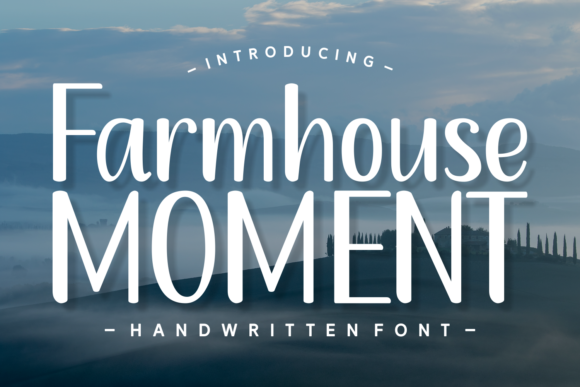
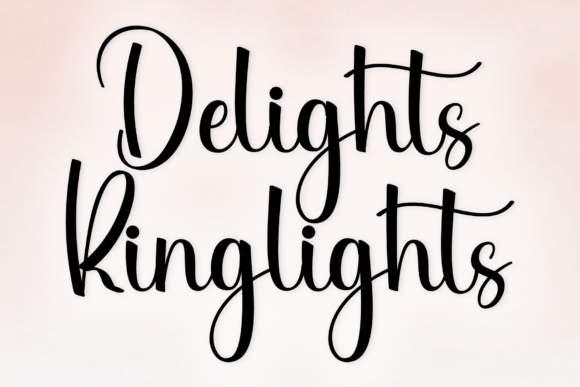
The first component of this collection is the sans serif font. It provides the structural backbone for your design work. It is clean, geometric, and highly legible, making it perfect for body text or subheadings where clarity is paramount. It mimics the look of hand-lettered signage without the messy edges, offering a stability that grounds your layout. The second component is the script font (or handwritten font). This style brings the organic, human touch. It flows naturally with a relaxed rhythm, adding a layer of intimacy and approachability to your projects. When used together, these two styles create a brand identity that feels both established and personal.
Strategic Applications for Designers and Entrepreneurs
For small business owners and creative entrepreneurs, the versatility of Minimalist Farmhouse is a significant asset. It is a creative font that adapts to various mediums, ensuring your brand identity remains consistent across all touchpoints. Whether you are working on digital platforms or physical products, this typeface handles the transition with ease.
Consider its utility in packaging design. If you are selling artisanal goods, candles, or home decor, the handwritten element of the font suggests that a real person crafted the product. It builds an immediate emotional connection with the consumer. Conversely, the sans serif font ensures that ingredient lists and instructions remain perfectly readable, satisfying both aesthetic desires and regulatory requirements.
In the realm of web design and social media graphics, visual hierarchy is king. You need to grab attention quickly. Using the script style for headlines creates an eye-catching focal point, while the sans serif style guides the reader through the rest of the content. This combination is particularly effective for lifestyle bloggers and influencers who need their graphics to look professional yet relatable. It transforms standard Instagram posts into cohesive editorial pieces that stop the scroll.
Real-World Project Suitability
- Logo Design: The duo nature allows you to pair the icon text with a clean tagline effortlessly.
- Editorial Design: Use the handwritten style for pull quotes to break up text-heavy layouts in magazines or brochures.
- Marketing Materials: From flyers to email headers, the font maintains a high-end look that elevates perceived value.
- Wedding Stationery: The romantic, flowing nature of the script is ideal for invitations, while the sans serif handles the details like dates and venues.
Influencing Brand Perception and Audience Engagement
Typography is silent communication. The fonts you choose tell your audience how to feel about your brand before they read a single word. By selecting Minimalist Farmhouse, you are signaling a specific set of values: authenticity, warmth, and modern simplicity. This display font combination moves away from the cold, corporate feel of standard system fonts. Instead, it invites the audience in, creating a sense of trust.
Readability is often the casualty of stylistic fonts, but this commercial font is designed with usability in mind. The x-height and spacing have been adjusted to ensure that the handwritten font does not become a puzzle to decipher. This is crucial for logo design where a brand name must be recognizable at a glance, as well as for editorial design where long-form reading comfort is necessary. When your audience can read your content effortlessly, engagement rates naturally increase. They stay on the page longer because the visual experience is pleasant.
Practical Guidance for Implementation
Adopting a new typeface requires more than just installation; it requires strategy. Before integrating Minimalist Farmhouse into your workflow, evaluate your project’s specific needs. This font thrives in environments that value personality. If you are designing a legal contract or a technical manual, a standard serif font might be more appropriate. However, for lifestyle, fashion, food, and service-based industries, this is an ideal match.
One of the standout features of this package is that it is PUA encoded. For the average user, this simply means accessibility. You do not need advanced design software to access the special characters. Whether you are using a professional suite like Adobe Illustrator or a free tool like Canva, you can copy and paste the glyphs directly. This democratizes design, allowing hobbyists and non-designers to access swashes and alternate characters that usually require technical know-how.
Testing and Pairing
While the font comes as a duo, you may need to pair it with other design assets. When looking for a third font to complement the system—perhaps for long-form body text—look for a neutral sans serif font or a classic serif font. Avoid pairing it with other decorative scripts, as this will create visual clutter. The goal is contrast. Let the Minimalist Farmhouse font be the star of your headlines and logos, and let a simpler typeface handle the heavy lifting of the body copy.
- Check Licensing: Ensure your license covers your intended use, especially for high-volume commercial printing or merchandise.
- Test at Scale: View the font at the size it will be used. A script that looks beautiful large might lose definition when shrunk for a business card.
- Review Glyphs: Take time to browse the alternate characters included in the PUA encoded set to add unique flair to specific letters.
Ultimately, Minimalist Farmhouse is more than just a trendy file; it is a versatile tool for visual storytelling. It bridges the gap between the digital and the tangible, making it a valuable addition to any designer's toolkit. By leveraging its dual nature, you can create designs that are not only stylish but also deeply resonant with your target audience.