Blues Malone: Elegance Meets Authentic Calligraphy
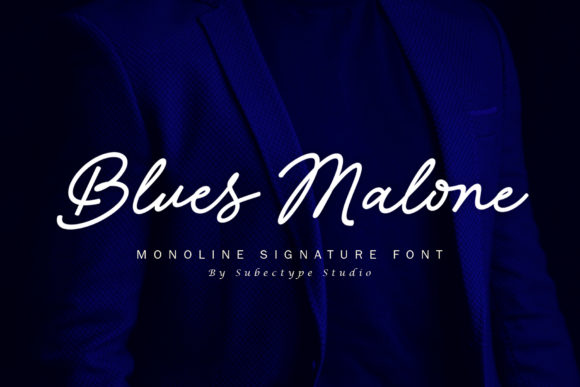
There’s a certain tension in modern typography—between the polished, the personal, and the practical. Blues Malone resolves that tension beautifully. It’s a modern handwritten font that doesn’t just mimic casual script; it carries a refined, almost timeless quality. Think of it as the digital equivalent of a skilled calligrapher’s hand, guided by a contemporary sensibility. The strokes flow with a natural rhythm, yet each letterform feels considered, balanced. It’s this blend of authentic calligraphy and elegant structure that gives Blues Malone its distinctive voice.
A Typeface with Character and Clarity
What sets this premium font apart is its personality. It avoids the extremes of overly whimsical scripts or rigid, sterile lettering. Instead, Blues Malone offers a sophisticated warmth. The connections between letters are fluid but not sloppy, allowing for readability even at smaller sizes. The subtle variations in stroke weight give it depth, preventing it from looking flat or mechanical. It’s a script font that feels human, but a highly skilled human—one who understands both tradition and modern design needs.
This makes it incredibly versatile. As a display font, it commands attention in logos, headlines, and hero images. Yet, because of its clarity, it can also work for short-form text where you want to inject personality without sacrificing comprehension. It’s a rare balance. You’ll find it feels equally at home on a luxury product label, a heartfelt wedding invitation, or the header of a boutique agency’s website.
Where Blues Malone Truly Shines
Understanding where a font excels is key to using it effectively. Blues Malone isn’t a workhorse for body copy in a lengthy report—that’s a job for a sturdy serif font or clean sans serif font. But as a creative font for strategic accents, it’s outstanding.
- Brand Identity & Logo Design: If your brand aims for an upscale, artisanal, or personal touch, this typeface can become its cornerstone. It lends instant recognition and a handcrafted feel to logos, business cards, and packaging.
- Editorial & Publishing Design: Use it for chapter titles in a cookbook, section headers in a lifestyle magazine, or pull quotes in a blog post. It adds a layer of elegance and breaks up the monotony of standard editorial design.
- Packaging & Product Labels: For goods that tell a story—specialty foods, cosmetics, artisan crafts—Blues Malone communicates care and quality. It helps products stand out on a crowded shelf.
- Digital & Social Media: In the fast-scrolling world of social media graphics, a distinctive headline font can stop a thumb. Pair it with a simple sans serif for a high-contrast, engaging post. It’s also excellent for website banners and email newsletter headers.
- Personal & Commercial Projects: From wedding stationery and greeting cards to Etsy shop branding and digital planners, this commercial font offers a professional polish to personal creations.
Practical Guidance for Designers and Creators
Choosing a font is a practical decision, not just an aesthetic one. Here’s how to evaluate if Blues Malone fits your project.
Evaluating the Project Fit
Ask yourself: Does my project need to convey elegance, personality, and a human touch? Is it for headlines, logos, or short accents rather than dense paragraphs? If yes, this font is a strong candidate. Its strength lies in visual hierarchy—it naturally draws the eye, making it perfect for key messages you want to emphasize.
Testing Font Pairings
A great font pairing is about contrast and harmony. Blues Malone pairs exceptionally well with clean, geometric sans serif fonts like Montserrat or Open Sans for body text. For a more traditional feel, try it with a classic, highly readable serif font like Lora or Merriweather. The handwritten script provides the flair, while the partner font ensures readability and balance. Always test pairings in context—see how they look together in your actual layout at various sizes.
Considering Readability and Licensing
While clear for a script, always test Blues Malone for your specific use case, especially on smaller screens or low-resolution prints. Ensure it has enough weight and spacing for your medium. As a commercial font, check the licensing. Most premium fonts like this include licenses for desktop, web, and sometimes app use. Understand the terms to ensure your brand identity or product can use it legally and consistently across all platforms.
Leveraging Its Full Potential
Explore the font’s full family. Does it include multiple weights, alternates, or swashes? These design assets can add even more variety and customization. Use stylistic alternates for a custom look in logos. The goal is to use Blues Malone not as a generic filter, but as a strategic tool to enhance your project’s specific message and aesthetic. When used thoughtfully, it becomes more than a font—it becomes a key part of your visual storytelling, fostering audience engagement and building a memorable, professional presence.