Thriller: The Hand-Painted Brush Font for Bold, Eerie Designs
Understanding the Craft Behind the Typeface
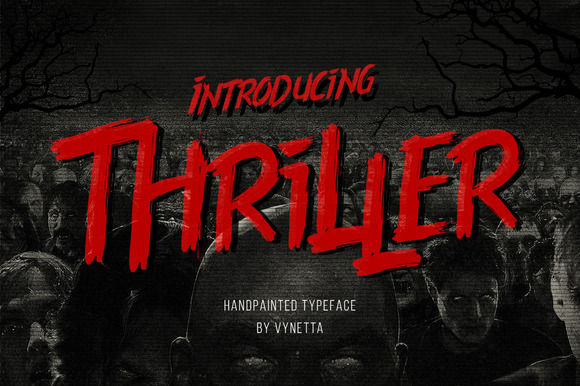
When you encounter a font that feels genuinely alive, it often comes from a process that respects the medium. Thriller is a prime example of this philosophy in modern typography. It is not a digital approximation of a brush stroke; it is the real thing, digitized and perfected. The characters were first painted by hand, capturing the organic flow and unpredictable texture of a loaded brush. This hand-painted origin gives the typeface a raw, tactile quality that software alone cannot replicate. It carries the subtle imperfections and energy of a human hand, making it a powerful creative font for projects that need to break through the noise of sterile, geometric designs.
The visual personality of Thriller is immediate and unapologetic. It possesses a distinct, scary look and feel that leans heavily into horror and suspense aesthetics. The strokes are bold and textured, mimicking the uneven distribution of ink or paint. This style makes it an incredibly effective display font. It commands attention without needing excessive color or imagery to support it. The jagged edges and fluid letterforms suggest movement and tension, which is why it is frequently chosen as a go-to Halloween font. However, its utility extends far beyond October; it serves well for any brand identity that requires an edge, a sense of mystery, or a vintage horror vibe.
Strategic Applications for Designers and Brands
For designers and entrepreneurs, choosing the right typeface is about more than just aesthetics; it is about communication. Thriller communicates intensity. In logo design, it can establish a brand identity for niche markets instantly. Think of escape rooms, heavy metal bands, haunted attractions, or specialized craft breweries. Using Thriller for a wordmark ensures the brand is memorable and sets the correct expectation before a customer even reads the tagline. It creates an atmosphere that a standard sans serif font simply cannot achieve.
In packaging design, texture sells. The tactile nature of Thriller translates exceptionally well to physical products. It works beautifully on labels for hot sauces, craft beers, or artisanal goods that want to project a "dangerously good" vibe. When paired with the right paper stock—perhaps a matte black or a textured kraft paper—the brush strokes of the font pop, adding perceived value to the product.
Digital applications are equally diverse. For social media graphics, where users scroll rapidly, a bold script font or brush font stops the thumb. Thriller is excellent for YouTube thumbnails, podcast cover art, or Instagram stories promoting events like sales or launches. It provides high contrast when used for headlines against a clean background. In web design, it should be reserved for high-impact headers or hero sections. Because of its detailed texture, it is not a body text font; using it for paragraphs would hurt readability. Instead, use it to create a strong visual hierarchy, drawing the eye to the most important message on the page.
Mastering Font Pairing and Hierarchy
One of the most common mistakes in editorial design is using two expressive fonts that fight for attention. Thriller is a dominant personality; it needs a partner that plays a supporting role. The best font pairing strategy for a display typeface like this is contrast. Because Thriller is organic, textured, and irregular, pair it with something clean, geometric, and structured.
A classic sans serif font with neutral characteristics works best. Think of fonts like Helvetica, Futura, or modern geometric sans-serifs. These clean lines provide a resting place for the eyes, allowing the chaotic beauty of Thriller to shine without overwhelming the viewer. For example, in a magazine layout or a poster, use Thriller for the main headline to set the mood, then switch to a legible sans-serif for subheadings and body text.
You can also explore pairing it with a serif font, provided the serif is structured and not too ornate. A transitional serif can bridge the gap between the hand-painted roughness of Thriller and the formality of traditional print. However, avoid pairing it with other handwritten font styles or complex script fonts. The goal is to create a clear reading path. Thriller grabs attention; the secondary font delivers the information. This balance is crucial for maintaining professionalism while utilizing a premium font with such a strong character.
Technical Evaluation and Licensing
Before integrating any new design assets into your workflow, a practical evaluation is necessary. Thriller comes in two distinct versions: Regular and Italic. This versatility allows for basic emphasis within headlines. The Regular version is perfect for standalone titles, while the Italic version can add a sense of urgency or motion to callouts or quotes.
When testing the font, zoom in on the details. Look at how the ligatures connect (if applicable) and how the texture holds up at different sizes. Since this is a display font, it is optimized for larger sizes. At very small sizes, the brush texture may muddy, so always test it at the scale you intend to use it in your final design. Whether you are working on print design or digital screens, ensure the resolution supports the intricate details of the brush strokes.
Licensing is another critical factor for commercial font usage. If you are a small business owner or a freelancer, ensure the license covers your specific usage. Most standard licenses cover desktop use for logos and print, but if you plan to use Thriller in a mobile app, on high-volume merchandise (like T-shirts sold on Etsy), or embedded in a website using @font-face, you need to verify the terms. A creative font like this is an investment in your brand's visual language, so respecting the licensing terms protects both the creator and your business.
Ultimately, Thriller is more than just a Halloween novelty. It is a versatile tool for adding human emotion and raw energy to your work. By using it strategically for headlines and pairing it with clean, readable typefaces for body copy, you can leverage its scary aesthetic to create professional, engaging, and memorable designs that resonate with your audience.