Roseva: Blending Art Nouveau Charm with Modern Design
If you’ve spent any time scrolling through design inspiration lately, you’ve likely noticed a shift toward typefaces that feel distinct yet timeless. We are moving away from the cold, geometric sans serifs of the last decade and embracing fonts with soul. Enter Roseva, a stunning serif font that doesn’t just sit on the page; it tells a story. Inspired by the transitionary period between the flowing organic curves of Art Nouveau and the structured, geometric boldness of Art Deco, Roseva offers a unique aesthetic that feels both nostalgic and refreshingly contemporary.
For designers, entrepreneurs, and content creators, finding a typeface that balances personality with legibility is the holy grail. Roseva strikes this balance beautifully. It captures the artistic flair of the early 20th century—think Parisian shop fronts and vintage movie posters—but polishes it for the demands of modern digital and print design. Whether you are building a brand identity from scratch or refreshing your current design assets, understanding how to leverage this typeface can elevate your work from standard to sophisticated.
The Visual Character: More Than Just Curves
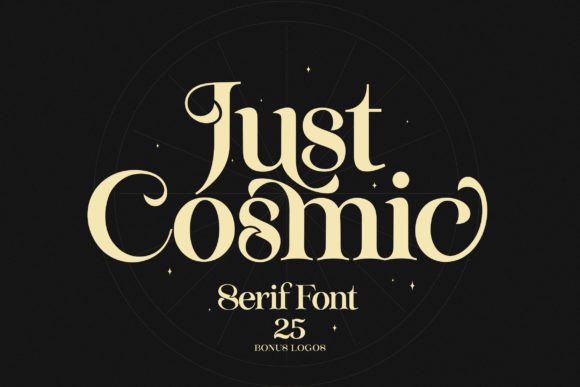
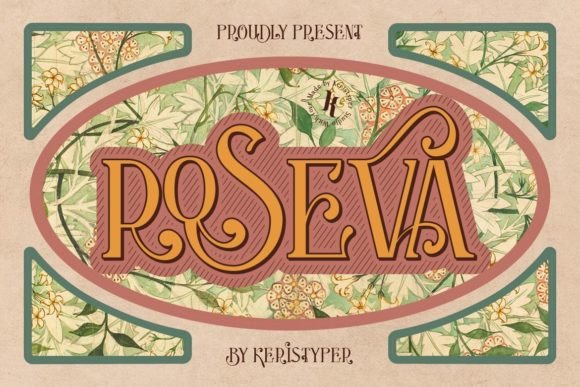
At its core, Roseva is a display font designed to command attention. However, unlike many heavy display types that sacrifice nuance for impact, Roseva retains a delicate elegance. You will notice high contrast between the thick and thin strokes, a hallmark of high-quality serif fonts. This contrast creates a dynamic rhythm on the page, guiding the eye naturally from one letterform to the next.
The personality of Roseva is undeniably artistic. It avoids the rigid rigidity of standard corporate typefaces, opting instead for subtle flares and terminals that suggest a hand-drawn quality without looking messy. This makes it an incredibly versatile creative font. It feels expensive and curated. When you use Roseva in a design, it immediately signals to your audience that attention to detail matters. It is a premium font choice that communicates quality before a single word is read.
Strategic Applications: Where Roseva Shines
Choosing the right typeface is about context. While Roseva is beautiful, it needs the right environment to truly thrive. Because of its distinct style, it excels in specific scenarios where visual impact is paramount.
Logo Design and Brand Identity
For logo design, Roseva is a powerhouse. It is particularly effective for brands that want to position themselves as artisanal, boutique, or luxury. Think of high-end coffee roasters, bespoke clothing labels, independent bookstores, or modern architectural firms. The font provides instant heritage to a new brand, giving it a sense of established trust. When building a brand identity, consistency is key. Using Roseva for your primary wordmark and extending it to business cards and packaging creates a cohesive visual language that customers will recognize instantly.
Editorial and Publishing
Publishers and bloggers take note: Roseva is a game-changer for editorial design. It works phenomenally for book covers, magazine headlines, and chapter openers. If you are an author looking to self-publish, using a creative font like Roseva can make your cover look professionally designed, competing with major publishing houses. The font has enough weight to work on busy backgrounds but enough elegance to stand alone on a minimalist cover.
Digital Presence and Social Media
In the fast-paced world of web design and social media graphics, stopping the scroll is everything. Roseva is perfect for Instagram quotes, Pinterest pins, and YouTube thumbnails. Its artistic nature makes it highly shareable. For web design, while it is best used for headings (H1, H2) rather than body text due to its display nature, it sets a strong visual tone immediately upon landing on a homepage. It pairs exceptionally well with clean, geometric sans serifs for body copy, creating a perfect font pairing that balances flair with readability.
The Technical Side: Readability and Hierarchy
A common concern with artistic fonts is readability. You might love the look of a script or handwritten font, but if your audience has to squint, you’ve lost them. Roseva handles this well because it remains rooted in the serif tradition. The letterforms are distinct enough that even at smaller sizes, individual characters are recognizable, provided there is adequate spacing.
However, Roseva is a display font, meaning it is designed for prominence. You wouldn't want to write a 500-word blog post entirely in Roseva. Instead, use it to establish visual hierarchy. Use the bold or regular weights for your main headlines to grab attention, then switch to a more neutral sans serif font or a standard serif for the body text. This contrast creates a professional layout that is easy to read but visually exciting.
Practical Implementation and Pairing
When you add Roseva to your library, you aren't just getting one style. Modern typography often includes various weights and styles to help you adapt to different contexts. Be sure to explore the full family to see how the bold, light, or italicized versions behave. Sometimes a lighter weight of Roseva works better for an elegant invitation, while a heavier weight is needed for a poster.
Here are a few practical tips for integrating this font into your workflow:
- Font Pairing: Roseva pairs beautifully with minimalist sans serifs. Try combining it with a font like Montserrat, Raleway, or Lato. The clean lines of the sans serif will let Roseva’s ornate details pop without clashing.
- Kerning and Tracking: Because of its high contrast, Roseva often benefits from slightly looser tracking (letter spacing), especially in all-caps settings. This allows the intricate details of the serifs to breathe.
- Color Palette: This typeface sings when paired with muted, earthy tones or high-contrast black and white. Pastel palettes can enhance its Art Nouveau roots, while stark monochrome can push it toward an Art Deco feel.
Licensing and Usage
Before you download, it is crucial to understand the licensing. Most premium fonts, including Roseva, come with specific licensing tiers. If you are a freelancer creating a logo for a client, or a small business owner using the font on your merchandise, ensure your license covers commercial font usage. This is often different from a personal license. Checking the EULA (End User License Agreement) ensures you are legally protected and supports the type designers who pour hours into crafting these glyphs.
Conclusion: Elevating Your Creative Toolkit
In a sea of generic design, Roseva offers a lifeline to creators seeking distinction. It is more than just a collection of letters; it is a design asset that brings history, artistry, and sophistication to the table. Whether you are designing a movie title, crafting a book cover, or building a social media campaign, this serif font provides the tools to make your work memorable. By understanding its personality and pairing it thoughtfully, you can ensure your designs not only look good but communicate the right message to your audience. Don't just follow trends—set them by incorporating timeless typefaces like Roseva into your creative process.