Ranmor: The Bold Slab Serif for Authentic Design
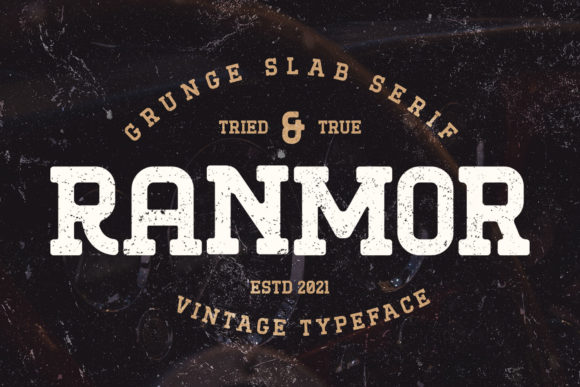
There's a moment in every design project when you need a typeface that does more than just sit there. You need something with presence, with a voice. That's where Ranmor comes in. This isn't your standard, quiet serif. It's a bold, vintage-styled slab serif with thick letterforms that command attention without shouting. Think of it as the confident workhorse in your font library—equally at home on a craft beer label, a tech startup's hero banner, or a boutique's packaging. Its personality is grounded, trustworthy, and slightly retro, making it a versatile tool for creators who want their work to feel substantial and intentional.
Understanding Ranmor's Visual Character and Appeal
At its core, Ranmor is a premium font designed for impact. The thick strokes and sturdy serifs give it a solid, reliable foundation. This isn't a delicate, whispering typeface; it's a clear communicator. The vintage styling isn't overly ornate or distressed, which keeps it feeling current and adaptable. It leans into a mid-century industrial aesthetic—think classic signage and strong editorial headlines—without feeling like a period piece. This balance is key. It allows Ranmor to inject character into modern web design or add a touch of heritage to contemporary brand identity projects.
A significant practical advantage is its PUA encoding. For designers and creators who aren't deep into advanced typographic software, this is a game-changer. It means every glyph, swash, and alternate character is easily accessible. You can explore stylistic variations directly from your character map or design panel, adding flourishes to a logo initial or a unique ligature to a headline with a simple click. This accessibility empowers you to fully explore the font's creative potential without technical barriers, making it a truly creative font for all skill levels.
Where Ranmor Truly Shines: Practical Applications
Knowing a font looks good is one thing; knowing where to use it is another. Ranmor's strength lies in its adaptability across a wide spectrum of projects. Its robust construction makes it exceptionally legible at larger sizes, which is why it excels as a display font. Consider it for:
- Logo Design & Brand Identity: The font's inherent confidence is perfect for brands that want to project stability, craftsmanship, or a modern-vintage vibe. It pairs beautifully with a clean sans serif font for body text, creating a strong visual hierarchy. Imagine it for an artisanal food brand, a boutique clothing line, or a professional services firm looking for a distinctive yet approachable mark.
- Editorial & Packaging Design: In editorial design, Ranmor can set a powerful tone for magazine covers, feature article titles, or chapter headings in a book. For packaging design, its readability on shelves and its ability to convey quality make it ideal for product names and key descriptors, especially in the spirits, craft goods, or gourmet sectors.
- Digital Presence: While primarily a display face, its clarity allows for careful use in digital spaces. Think hero section headlines on websites, impactful call-to-action buttons, or the title graphics for video content. It brings a tactile, grounded feel to the often-sterile digital environment.
- Marketing & Social Media: In the fast-scroll world of social media graphics, a bold slab serif like Ranmor can stop the eye. Use it for event promotions, sale announcements, quote cards, or podcast cover art. Its strong personality helps content stand out in a crowded feed and reinforces brand recognition.
Beyond professional use, it's a fantastic creative font for personal projects. Crafters can use it for standout phrases on custom apparel, mugs, or signage. Bloggers can use it to create a distinctive header style that becomes part of their visual signature. The key is matching its tone to your project's message—it communicates strength and reliability, so it's less suited for delicate, whimsical themes but perfect for anything requiring a dose of bold authenticity.
Integrating Ranmor into Your Workflow: A Practical Guide
Choosing any font, especially a commercial font like Ranmor, requires a bit of strategy. Here’s how to approach it effectively:
- Evaluate Project Fit First: Before you even download, ask: Does this font's personality align with my project's goals? If you're designing for a yoga studio seeking calm and minimalism, Ranmor might be too heavy. If you're creating a poster for a local brewery's anniversary, it's likely a perfect match. Let the project's voice guide your choice.
- Test Font Pairings Thoughtfully: Ranmor is a star player, but it needs the right supporting cast. The most classic and effective pairing is with a neutral, geometric sans serif font for body copy. This creates a clear contrast in weight and style, ensuring readability while letting Ranmor's headlines pop. Avoid pairing it with another strong, decorative serif font or a busy script font, as this can create visual competition and clutter.
- Explore the Full Character Set: Don't just type out A-Z. Dig into the included glyphs. Look for alternate capital letters, stylistic swashes, and ligatures. These features are what elevate a good design to a great one. Use an alternate 'R' for a more elegant logo monogram, or add a swash to the end of a headline for a touch of flair. This is where the PUA encoding pays off.
- Consider Readability in Context: While excellent for display, test Ranmor at the specific size you intend to use. A thick slab serif at 8pt in a long paragraph can be fatiguing. Its sweet spot is headlines, sub-heads, and short, impactful bursts of text. For longer reads, always switch to a more traditional body text font.
- Understand the Licensing: As a premium font, ensure you have the correct license for your use case. A standard desktop license usually covers print and rasterized images for one user. If you need to embed it in a website (using @font-face) or an app, you'll likely need a web or app license. Reputable font distributors make this clear—always read the EULA to avoid issues down the line.
Ultimately, Ranmor is more than just a collection of letters; it's a design asset that can help define a project's character. By understanding its strengths, testing it in context, and using its features fully, you can confidently add it to your toolkit and let it generate the bold, authentic outcomes your work deserves. It’s a typeface built not just to be seen, but to be remembered.